
Discover Next Level ROI in Your Own Brand’s Data
We present easy to digest, highly actionable, brand specific, conversion based data insights which enable multi channel marketers to prioritize time, resource and optimization efforts to create the results that matter.
The Marketing Brain Suite of Tools
We are launching a whole suite of tools designed to take the stress, time and guesswork out of identifying your brand specific, cross channel, conversion based digital marketing optimization insights.
Gain your marketing advantage now with early access to The Keyword Brain the first tool to launch in our product suite.
Quickly Access Game Changing Insights Hidden in Plain Sight
Mining the wealth of optimization opportunities within brand specific data for insights to maximize ROI seems so obvious as its so much more insightful than the generic data offered by most platforms but its so often overlooked!
However advanced you may be you likely don’t know all the right places to look or have the time or resource to discover, analyse and compare the wealth and complexity of cross channel data you have freely available to you.
Your Brand Specific Marketing Insights
The Marketing Brain’s suite of tools gather your own marketing data and give you the unique opportunity to view what truly works for your own brand so you can maximize upon it. Too much time focusing attention outward trying to learn from generic or competitor data wastes endless time and resource and rarely generates genuine ROI. We all know there is a goldmine of insights within our own data but how many of us really make the most of it?!
Your Key Marketing Data All in One Place
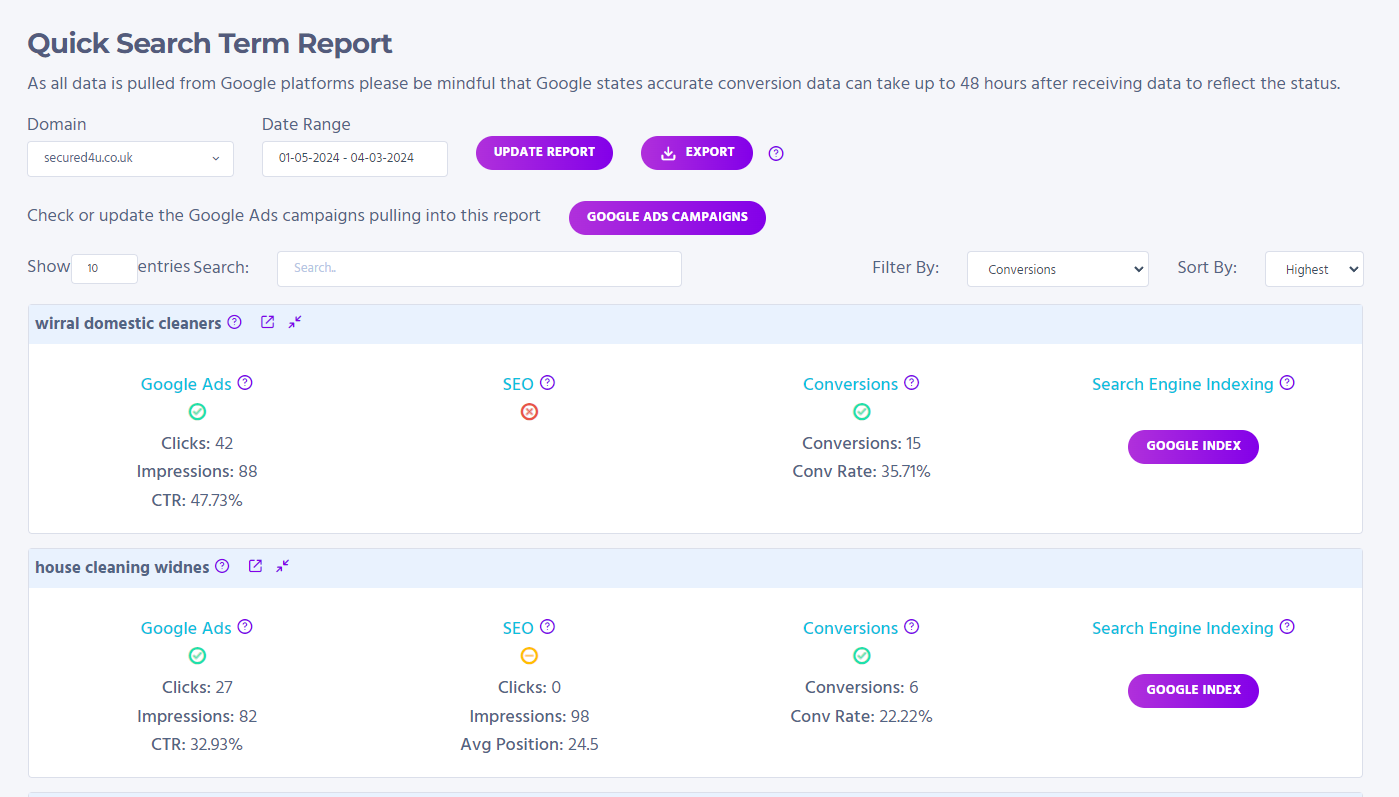
We cut out all the time and headache of data insight analysis across many channels, collating your own brand’s data from multiple sources. By overlaying our own expert digital marketing data intelligence we provide a quick, easy to digest traffic light system that visually identifies your most significant performance insights and opportunities so you can instantly prioritize your optimization efforts, time and resource to generate the most profitable results.
Your Conversion Based Optimization
Your personalized marketing data plus our data intelligence gives you at-a-glance clarity of performance opportunities for you to digest and analyse according to your in-depth knowledge of your business. Armed with these crucial insights you can quickly focus your precious time and energy on optimizing based on what you know generate the types of engagements that are most important, vastly increasing both your efficiency and return on investment.
Expert Level Data Insights
We have core specialisms in user experience and conversion focused SEO, PPC and branding acquired over more than 25 years’ with a comprehensive understanding of how to analyze, utilize, and monopolize upon data insights across multiple digital marketing channels.
It has never sat right with us that within our industry insights tend to get siloed with whomever takes care of each specific channel and not shared for greater overall benefit which is why our suite of tools are designed to help you view and understand how your marketing channels can feed and learn from one another as part of an intelligent ecosystem.

Free Trial Access to The Keyword Brain
Take advantage of our 14 day free trial period to test out for yourself how the first of our suite of tools The Keyword Brain will help you to make and prioritize highly informed decisions to significantly improve your cross channel digital marketing performance in regard to not only ranking positions but more importantly ROI!

"What an amazing piece of software! Finally something for SEO and online marketing which anyone can understand. A perfect partner for my financial work."
Tim Hill – Management Accountant – The Financial Game
Who Are The Marketing Brain’s Tools Designed For?
Full Service Digital Agencies
The Marketing Brain helps full service digital agencies close the gap and improve sharing, synergy and understanding between your internal specialist teams so they can focus on optimizing for conversion, improving results and serving your clients better with the additional learnings from the other channels without the need for any extra resources, time or endless inter team meetings.
Freelance & Internal Digital Marketers
Time and resource is even more paramount when you are either a freelancer trying to do your best for your clients across multiple marketing channels with limitations of not having a huge team and the same goes for internal marketing teams. Let The Marketing Brain become your secret advantage that allows you to maximize both your time AND performance all in one go!
Marketing Minded Business Owners
As a business owner you will love the fact that The Marketing Brain gives you a high level overview across your channels that helps you optimize for yourself or have more informed and intelligent conversations with your marketing teams and agencies in regard to what works best for your brand and where to focus your optimization efforts and budget for the strongest ROI.